How Much Water Does a Slab Leak Waste?
A slab leak runs around the clock, so the waste adds up fast. Learn why hidden leaks waste so much and how a meter test shows the flow.
Mesa is a big city with many eras under its slabs. Homes in Lehi and the older parts of town date back generations and may carry copper or galvanized lines, while Dobson Ranch and Alta Mesa hold mid-century to later builds and Eastmark in the southeast is newer, with PEX or newer copper. We serve all of it, from Dobson Ranch and Superstition Springs to Eastmark and Las Sendas, and we trace every leak to one place before any repair work starts. Desert alluvium from the Salt River, mixed with clay pockets and caliche, is what moves under those slabs.
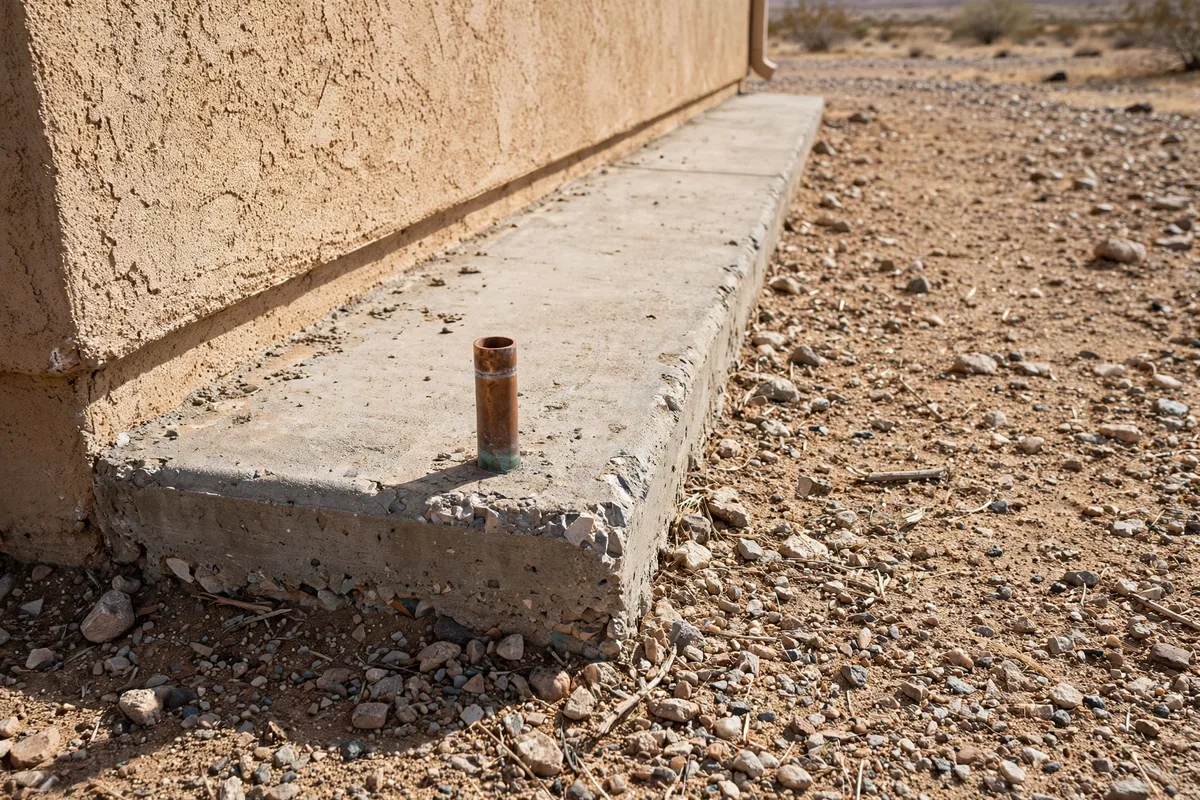
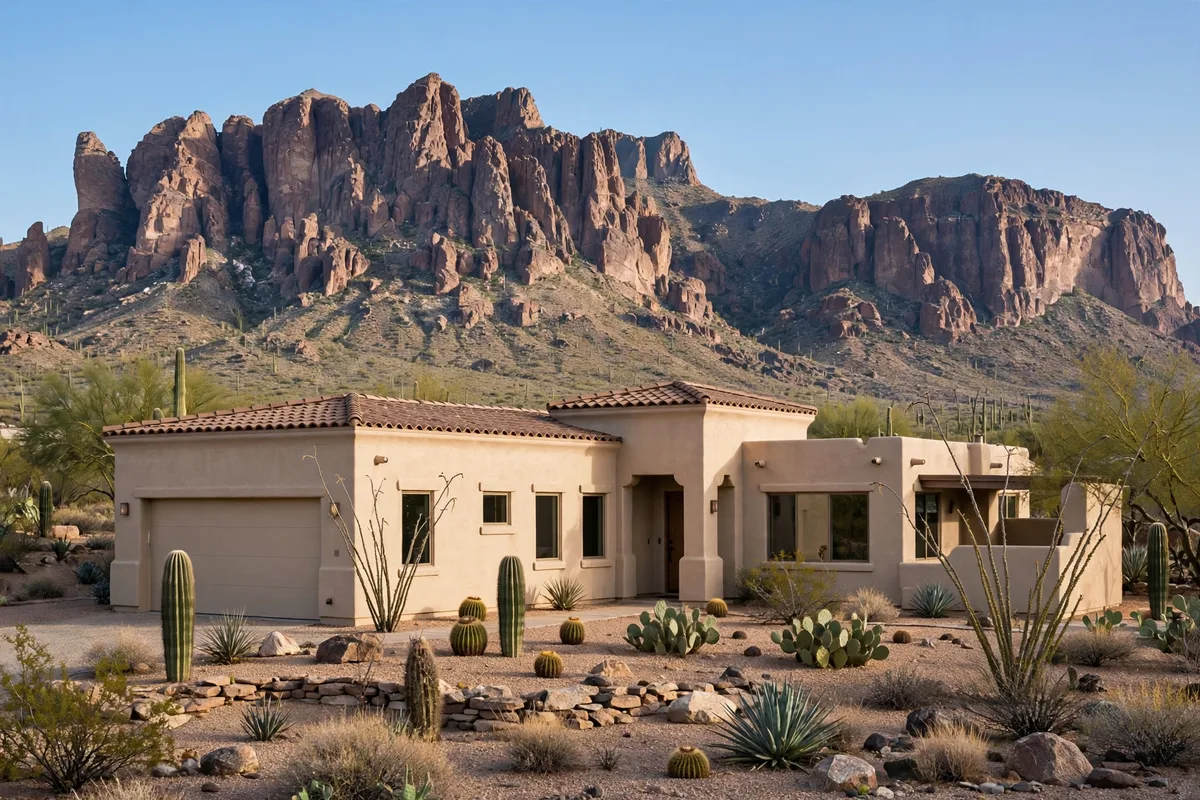
Mesa's ground is desert alluvium laid down by the Salt River, with clay pockets and caliche layers mixed through it. When clay swells after a storm and shrinks again in the dry months, the ground under a slab shifts and pulls at buried lines. Caliche drains poorly, so water from a leak pools around the slab and can surface well away from the opening.
Mesa housing spans many eras. Homes in Lehi and older parts of the city date back generations and may carry copper or galvanized lines. Dobson Ranch and Alta Mesa hold mid-century to later builds, while Eastmark and other southeast neighborhoods are newer, with PEX or newer copper lines. A line of any age can leak if a joint fails or fill rubs against it.
Mesa draws on the Salt River, the Colorado River, and groundwater, and all three run hard. Mineral buildup wears at joints and bends, while long hot summers keep lines expanding and contracting. When monsoon storms soak ground baked dry, the swelling clay strains lines already under pressure.
Mesa shares water quality results and utility news on the City of Mesa website, and the Arizona Department of Water Resources publishes the state's water data.
In Mesa, we begin with a meter check and a walk through the rooms where the signs show, then listening gear, thermal imaging, pressure testing, and moisture readings narrow the leak to one place. A single leak in a sound line usually takes a spot repair. A line that has leaked before, or tests weak along its length, usually takes a reroute.
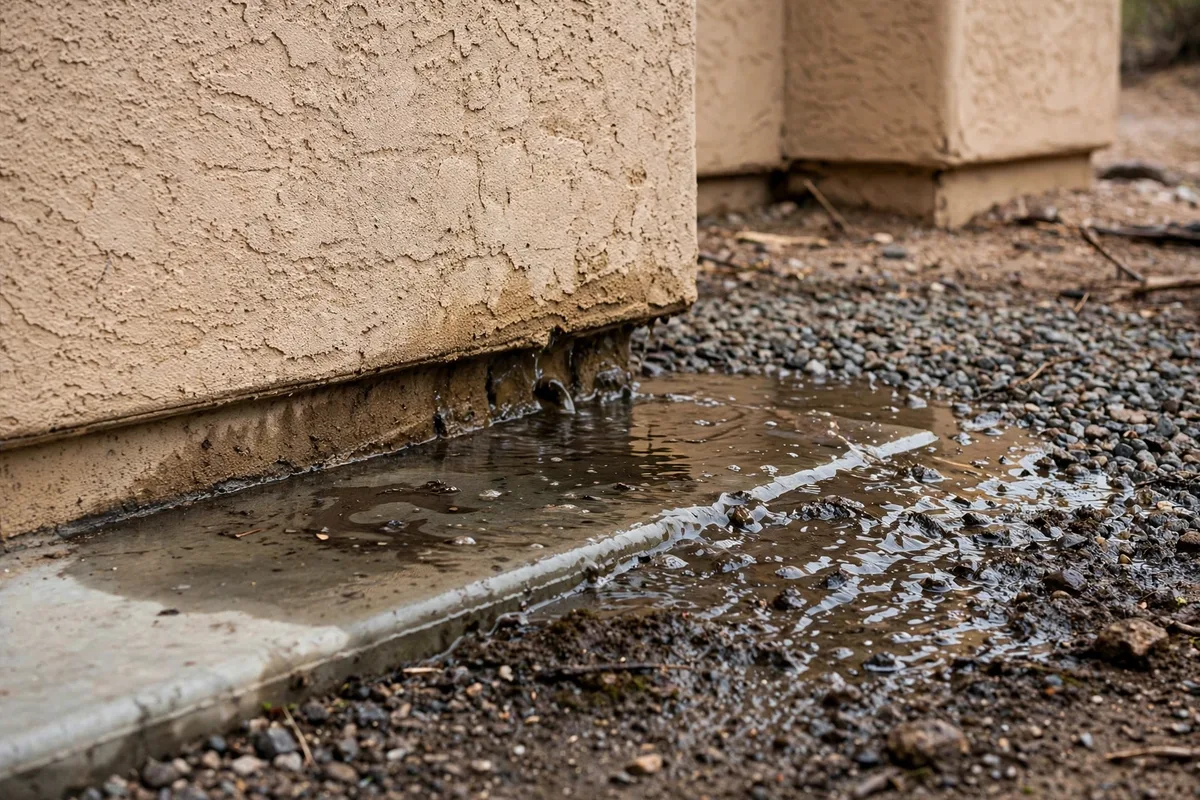
In Mesa, a warm patch on a tile floor or a damp patch that never dries usually shows up first. A bill that climbs while your habits stay the same is another clue. For the full list of signs and what each one means, see the homepage.
Think you have a slab leak? Talk to us.
Dobson Ranch, Superstition Springs, Eastmark, and Las Sendas anchor the Mesa list below, and the neighborhoods named there are the ones we drive to most. Mid-century homes sit on it beside newer builds in the southeast. When your neighborhood is missing from the list, call us and we will confirm whether we reach your area.
Mesa ZIP codes we cover include 85201, 85202, 85203, 85204, 85205, 85206, 85207, 85208, 85209, 85210, 85212, 85213, and 85215.
Landmarks nearby include The Superstition Mountains, Usery Mountain Regional Park, and Falcon Field.
A slab leak runs around the clock, so the waste adds up fast. Learn why hidden leaks waste so much and how a meter test shows the flow.
A jumping bill can come from a slab leak, a running toilet, irrigation, or a seasonal change. Learn how to narrow it down before you call.
Monsoon rain can swell the soil under one part of a slab while the rest stays dry. Learn how that movement stresses pipes and what to watch for in storm season.
Yes. We serve homes across Mesa, including newer southeast neighborhoods and established areas near the mountains. Detection starts with a meter check, then listening, thermal imaging, pressure testing, and moisture readings to narrow the leak to one place.
A patch that never dries usually means water is rising from below the slab. Caliche and clay carry water along the slab, so the damp spot can sit far from the leak. We pinpoint the leak with instruments instead of digging where the damp patch shows.
Hard water wears joints and bends as minerals build up inside the line. That wear thins the pipe until soil movement or a pressure swing can finish the job. In Mesa, Salt River, Colorado River, and groundwater supplies all run hard.
A storm alone does not crack a sound line, but heavy rain swells the clay pockets under Mesa after months of dry heat. A line already worn thin can break under that movement, so leaks often appear in the weeks after a wet stretch.
It holds when the rest of the line tests sound. If pressure testing finds weakness along the line, or the same line has leaked before, a reroute usually fits better. We tell you which case yours falls into before any repair work starts. That judgment matters most in older Mesa homes, where a line may have carried hard water for decades.
Call us at (480) 681-1950 and tell us which room feels warm. A warm spot means a hot-line leak is already warming the slab, and Mesa clay and caliche push the water along the slab while it runs.
Last updated: October 20, 2026.