Buying a Home in Arizona: Check for Slab Leaks First
A slab leak can hide under fresh flooring and a fresh coat of paint. Learn what to look for before you buy and why a leak check belongs on your list.
At the foot of the San Tan Mountains, Queen Creek ground is farmland soil, and runoff from the mountains adds water to the ground after storms. Alluvial clay swells when wet and shrinks as it dries, stressing buried lines, and old field grading left uneven fill in many subdivisions, so a line can settle at a different rate than the soil around it. We serve homes from Johnson Ranch and Cortina to Legado and Sossaman Estates, and every job opens with a meter check and a walk through the rooms where the signs show.
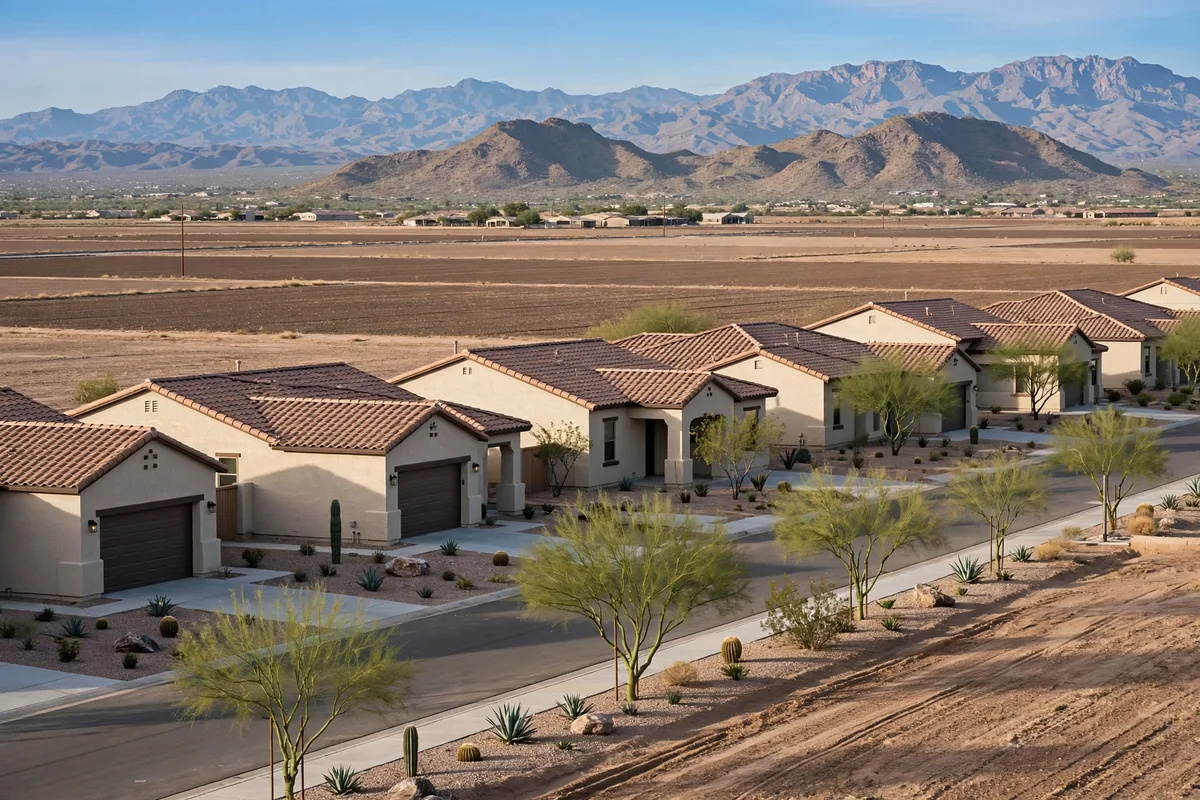
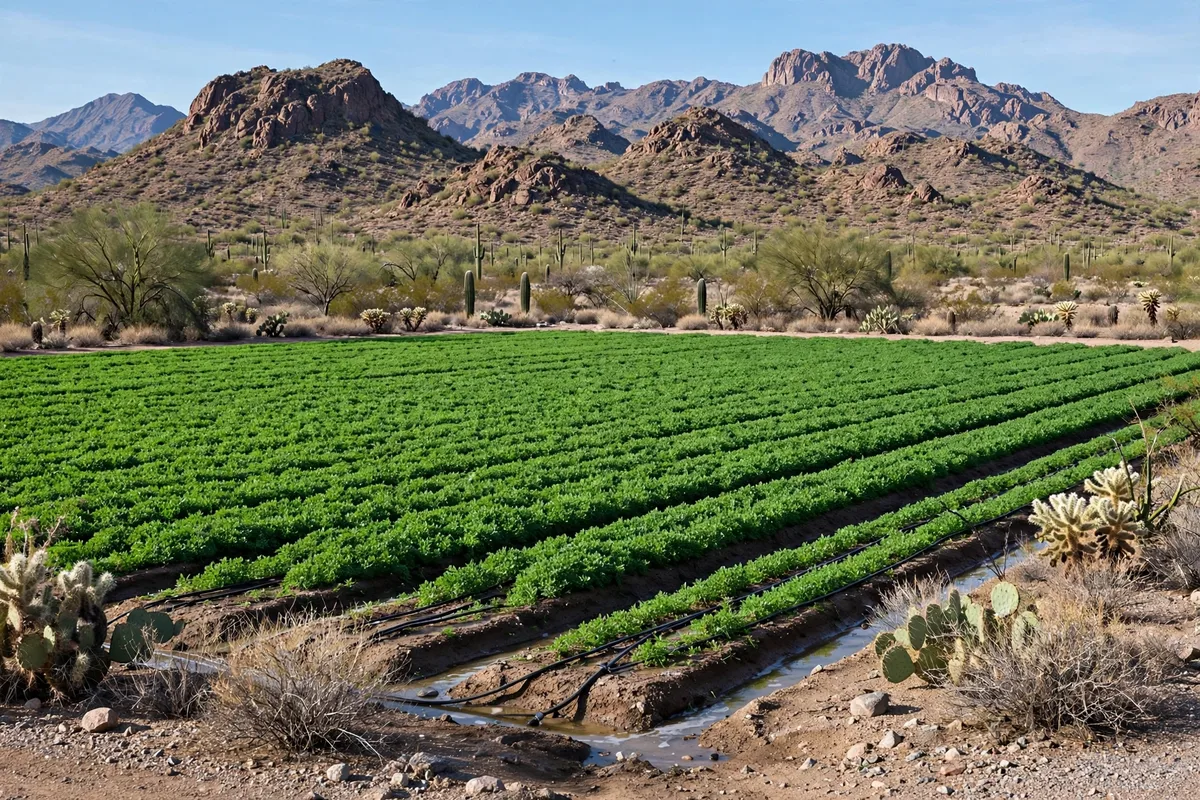
Queen Creek's ground is farmland soil at the foot of the San Tan Mountains. Alluvial clay swells when wet and shrinks as it dries, stressing buried lines, and runoff from the mountains adds water to the ground after storms. Old field grading left uneven fill in many subdivisions, so a line can settle at a different rate than the soil around it.
Queen Creek housing runs from older homes in Johnson Ranch and early settlements to large new subdivisions like Cortina, Legado, and Sossaman Estates. Older homes often carry copper lines that have carried hard water for a long time. Newer homes more often use PEX or newer copper, but a line of any age can leak if a joint fails.
Queen Creek water comes from groundwater and Colorado River water, and it runs hard. Minerals build up and wear at joints and bends, while long hot summers keep lines expanding and contracting. Monsoon storms then soak ground that has baked dry, swelling clay soil right when lines are already under strain.
Water data for the region comes from the Arizona Department of Water Resources, and Arizona's official state website connects to local government services.
A slab leak can hide under fresh flooring and a fresh coat of paint. Learn what to look for before you buy and why a leak check belongs on your list.
A jumping bill can come from a slab leak, a running toilet, irrigation, or a seasonal change. Learn how to narrow it down before you call.
Water under a slab can shift soil, but a leak does not always mean the foundation is damaged. Learn what the leak can and cannot do to your home.
Yes. We serve homes across Queen Creek, including established neighborhoods and newer subdivisions. Detection starts with a meter check, then listening, thermal imaging, pressure testing, and moisture readings to narrow the leak to one place.
A damp patch that never dries usually means water is coming up from below the slab. Queen Creek clay soil pushes that water along the slab, so the patch can sit far from the leak. We locate the leak with instruments rather than digging where the damp patch shows.
Alluvial clay left over from Queen Creek's farming past swells when wet and shrinks as it dries, and that movement stresses buried lines. Fill left by old grading can also leave a line resting against stone or settling unevenly.
Months of dry heat leave Queen Creek's alluvial clay primed to swell, and heavy rain sets that movement off under buried lines. A line already worn thin by hard water can give way under the shift, so leaks often surface in the weeks after a wet stretch.
A spot repair holds when the rest of the line tests sound. Even a newer line can leak at one bad joint, and a spot repair fixes that one place. When pressure testing shows weakness along the line, a reroute fits better. Even in a newer Queen Creek subdivision, that pressure test decides the fix.
Call us at (480) 681-1950. When a warm spot shows up, a hot-line leak is already heating the slab, and Queen Creek's alluvial clay holds that water in place while it spreads.
Johnson Ranch anchors the older end of our Queen Creek route, and Cortina, Legado, and Sossaman Estates anchor the newer end, with the full list below naming the neighborhoods we visit most. Everything between those ends sits on the route too. If yours is not listed, call us and we will confirm we can reach you.
Queen Creek homes use ZIP codes 85140, 85142, and 85143.
Landmarks nearby include San Tan Mountain Regional Park nearby, the Queen Creek Olive Mill area, and the historic downtown area.
Think you have a slab leak? Talk to us.
For many Queen Creek homeowners, the first sign is a warm patch on a tile floor or a damp patch that never dries. A bill that climbs with no change in habits is another. For the full list of signs and what each one means, see the homepage.
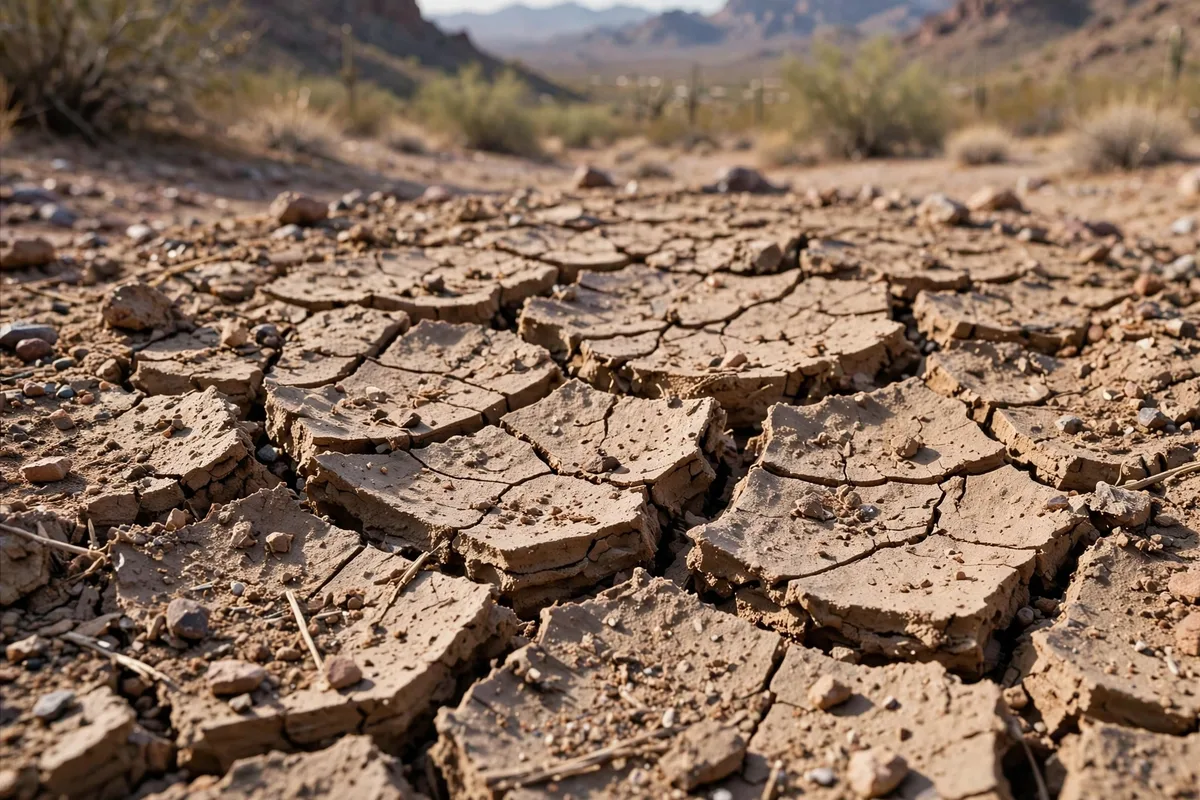
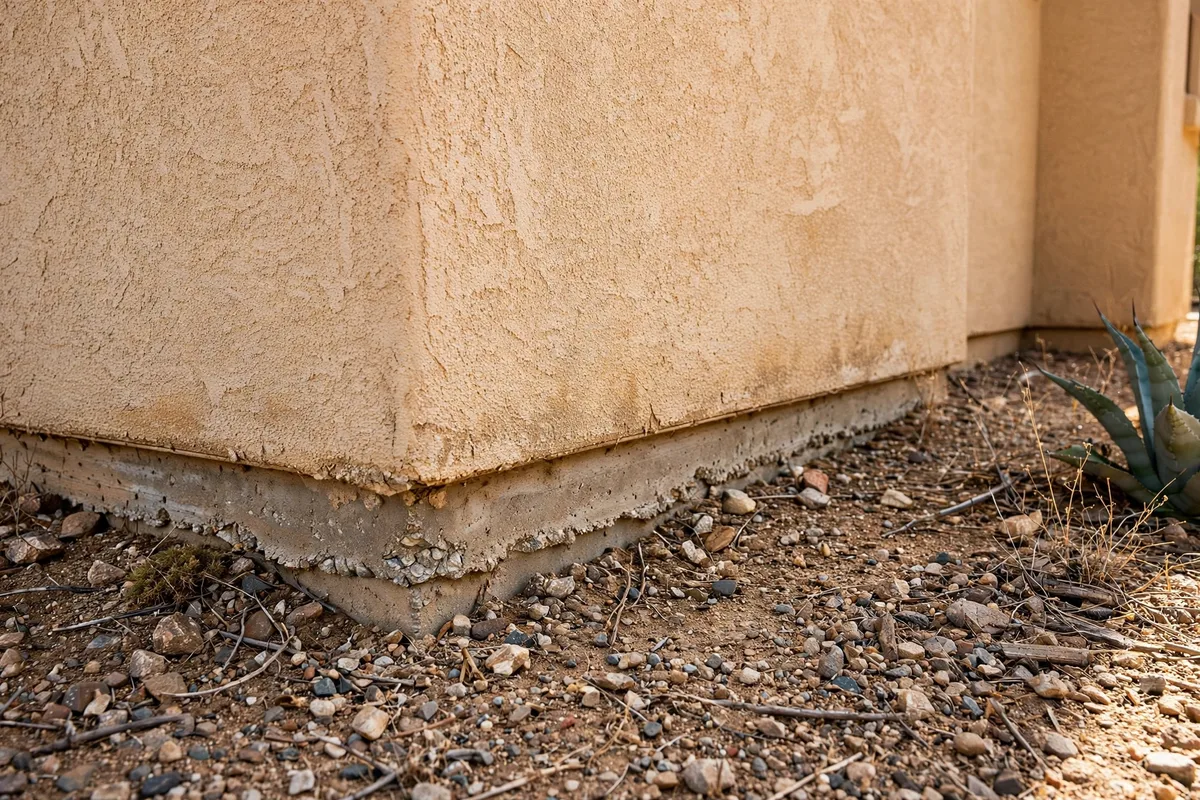
Detection in Queen Creek starts with a meter check and a walk through the rooms where the signs show. Listening gear, thermal imaging, pressure testing, and moisture readings then pin the leak to one place. When one leak sits in an otherwise sound line, a spot repair usually handles it. When a line has leaked before or tests weak along its length, a reroute usually fits better.
Last updated: October 20, 2026.