Hard Water and Slab Leaks in Arizona
Arizona water runs hard in many areas, and mineral buildup can set up corrosion inside your lines. Learn how hard water wears pipes down over time.
Yuma sits in the Colorado River valley on sandy river soil, and a high water table near the river keeps the ground near the slab damp. That steady moisture corrodes lines from the outside in, which is a different kind of wear than the clay shifting other Valley cities deal with. We serve homes from downtown to Yuma Mesa and Fortuna Foothills, and we check older copper or galvanized lines the same way we check new ones: meter first, then listening gear, thermal imaging, pressure testing, and moisture readings. Call (480) 681-1950 if a damp patch lingers long after the ground should have dried.
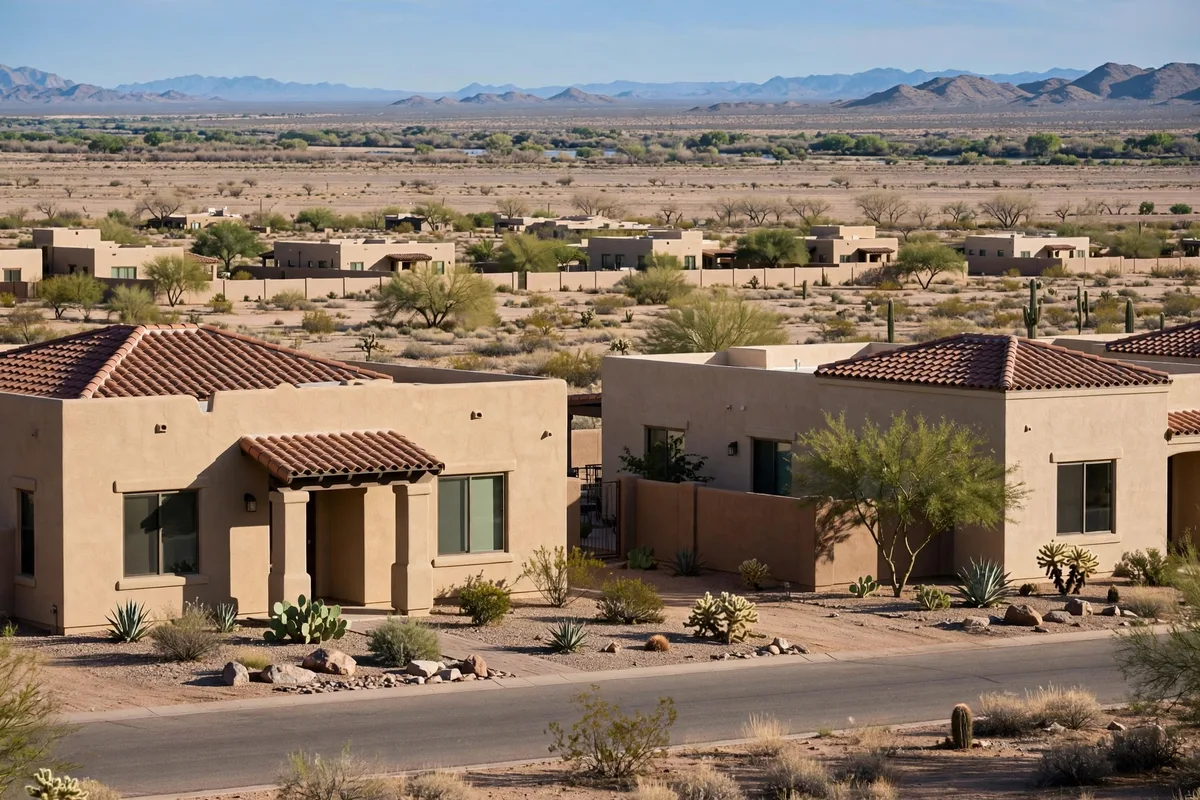
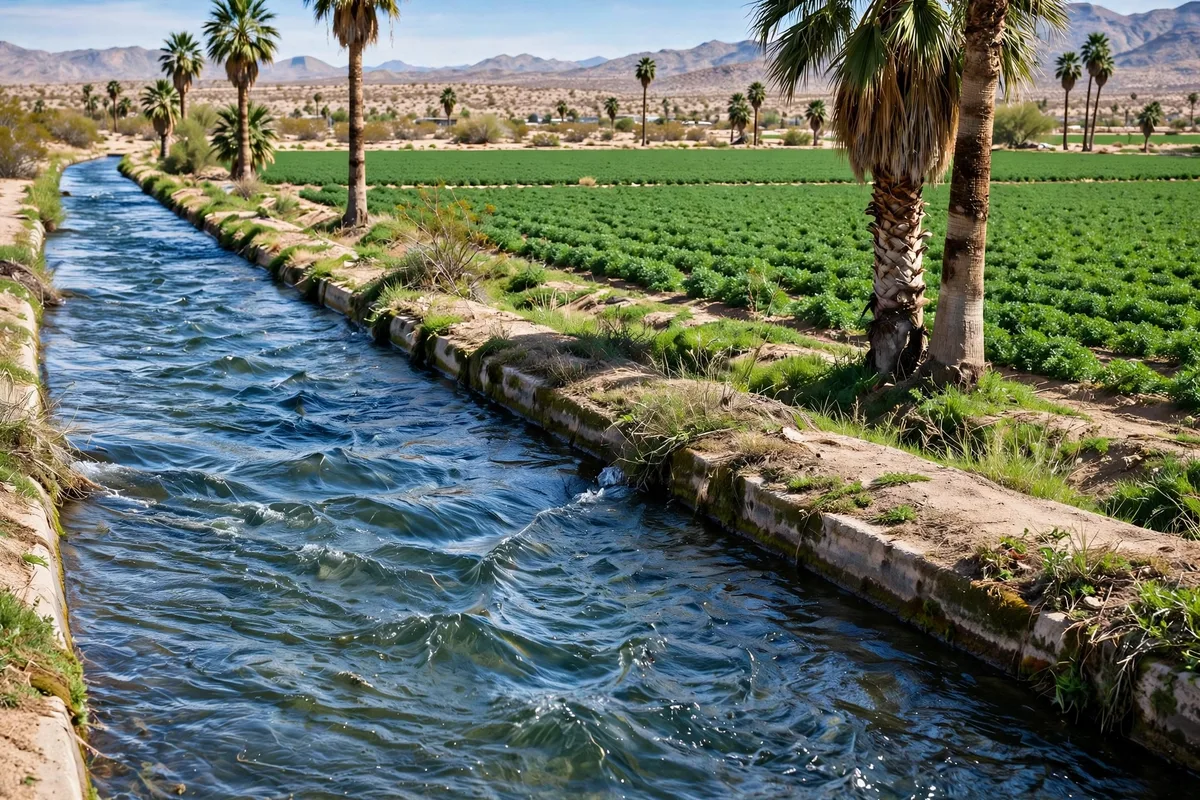
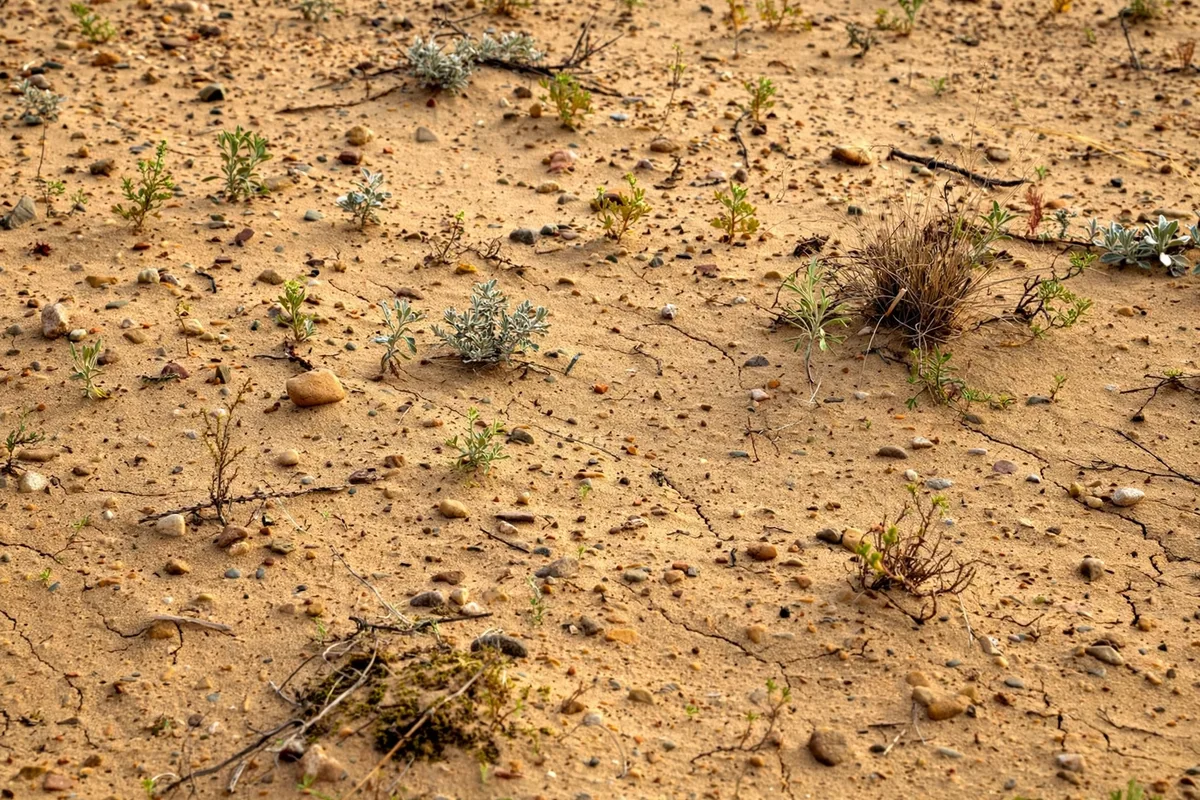
Yuma sits in the Colorado River valley on sandy river soil with a high water table near the river. Sandy soil drains fast, but a high water table keeps ground near the slab damp, and that steady moisture corrodes lines from the outside in. Irrigation-era grading left fill in many areas, and a line laid through uneven fill can settle unevenly.
Yuma housing runs from older homes near downtown to mid-century homes on Yuma Mesa to newer builds in Fortuna Foothills. Older homes often carry copper or galvanized lines that have carried hard water for a long time. Newer homes more often use PEX or newer copper, but a line of any age can leak if a joint fails.
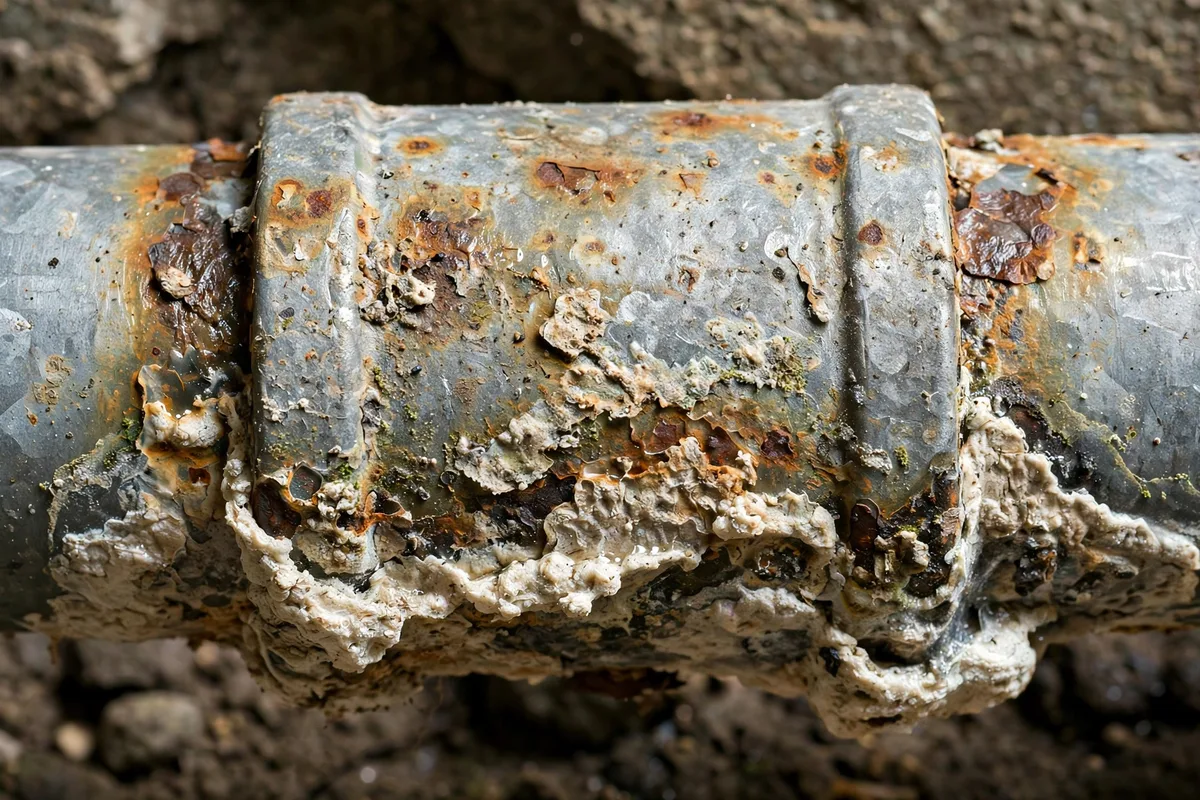
The Colorado River supplies Yuma, and it runs hard. Mineral buildup wears at joints and bends, and extreme summer heat adds steady expansion and contraction to lines. Monsoon storms then soak ground that has baked dry, adding a second round of soil movement each summer.
For the wider picture, the Arizona Department of Water Resources tracks Colorado River and state water data, and Arizona's official state website links to city services.
Arizona water runs hard in many areas, and mineral buildup can set up corrosion inside your lines. Learn how hard water wears pipes down over time.
The first half hour sets the tone. Shut off water if you can, protect belongings, take photos, and call for detection. Walk through each step in order.
A hot line leak warms the floor, while a cold line leak hides longer with no warm spot. Learn how the signs and detection differ.
Yes. We serve homes across Yuma, including newer builds east of town and older homes near downtown. Detection starts with a meter check, then listening, thermal imaging, pressure testing, and moisture readings to narrow the leak to one place.
A damp patch that never dries often means water is coming up from below the slab. Sandy soil drains fast, but a slab holds water in place, so the patch can sit far from the leak. We locate the leak with instruments rather than digging where the damp patch shows.
Steady moisture in the ground keeps the outside of a buried line damp, which wears on fittings and joints over time. It also makes a leak harder to spot, because the ground near the slab may already feel moist.
Hard water wears at joints and bends as minerals build up inside the line over time. That wear thins the line, so soil movement or extreme heat can finish the job. In Yuma, Colorado River water runs hard.
It holds when the rest of the line tests sound. When pressure testing shows weakness along the line, or the same line has leaked before, a reroute fits better. We tell you which case yours falls into before any repair work starts. That call matters most in older Yuma homes near downtown, where lines may date back generations.
Call us at (480) 681-1950. A warm spot means a hot-line leak is already warming the slab, and in Yuma the damp ground near the river valley can hide how far the water has spread.
Downtown Yuma, Yuma Mesa, Fortuna Foothills, and North Yuma all sit on our regular route, and the neighborhoods below are the stops we make most. Mid-century homes on Yuma Mesa sit on it beside newer builds in Fortuna Foothills. If yours is not on the list, call us and we will confirm whether we reach it.
Yuma homes sit in ZIP codes 85364, 85365, and 85367.
Landmarks nearby include the Colorado River, the Yuma Territorial Prison area, and Marine Corps Air Station Yuma.
Think you have a slab leak? Talk to us.
In Yuma, detection opens with a meter check and a walk through the rooms where signs show, then listening gear, thermal imaging, pressure testing, and moisture readings narrow the leak to one place. A single leak in a sound line usually leads to a spot repair. A line that has leaked before, or tests weak along its length, usually leads to a reroute.
In Yuma, the first sign is often a warm patch on a tile floor or a damp patch that never dries, and dampness can linger because the water table near the river keeps ground moist. For the full list of signs and what each one means, see the homepage.
Last updated: October 20, 2026.